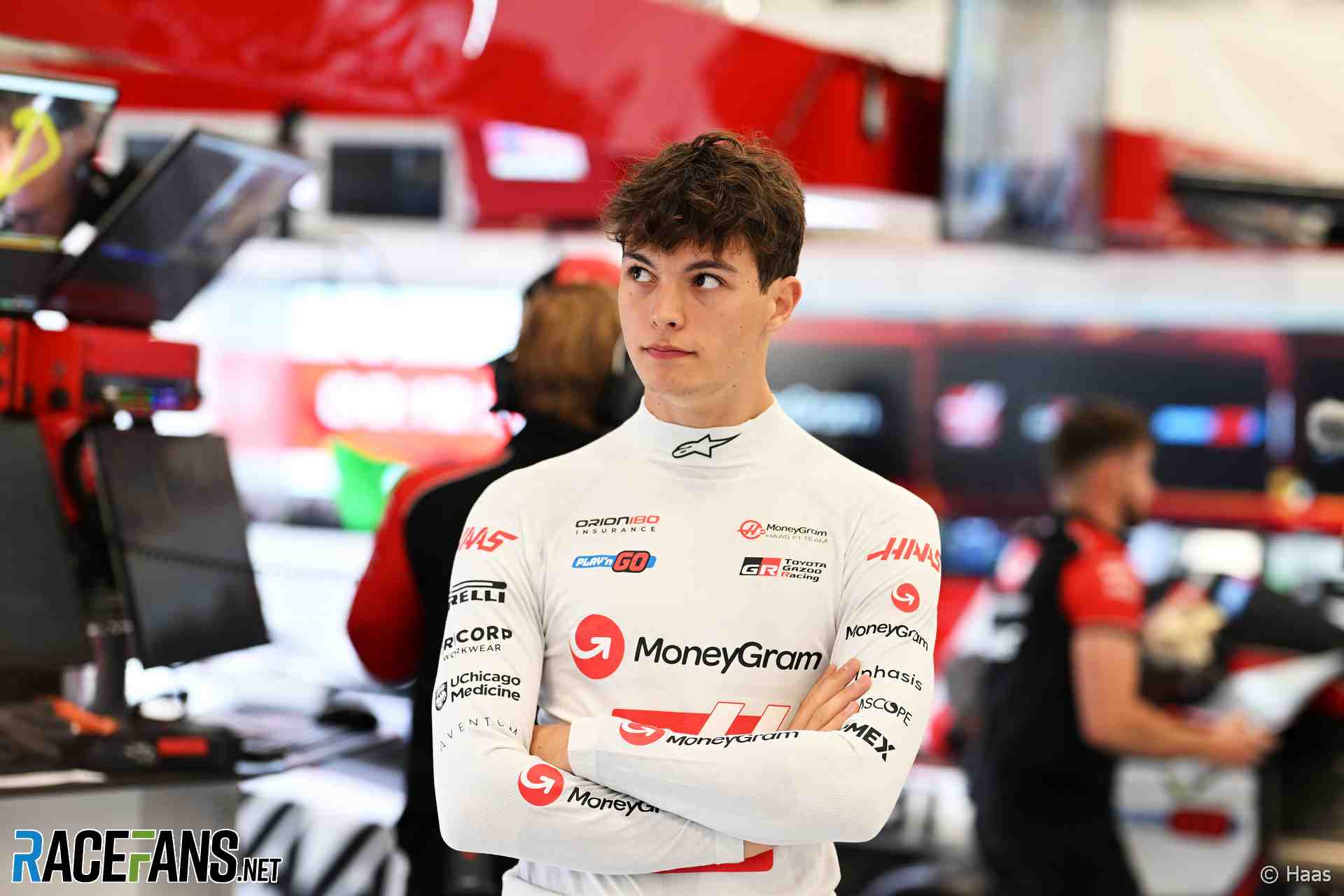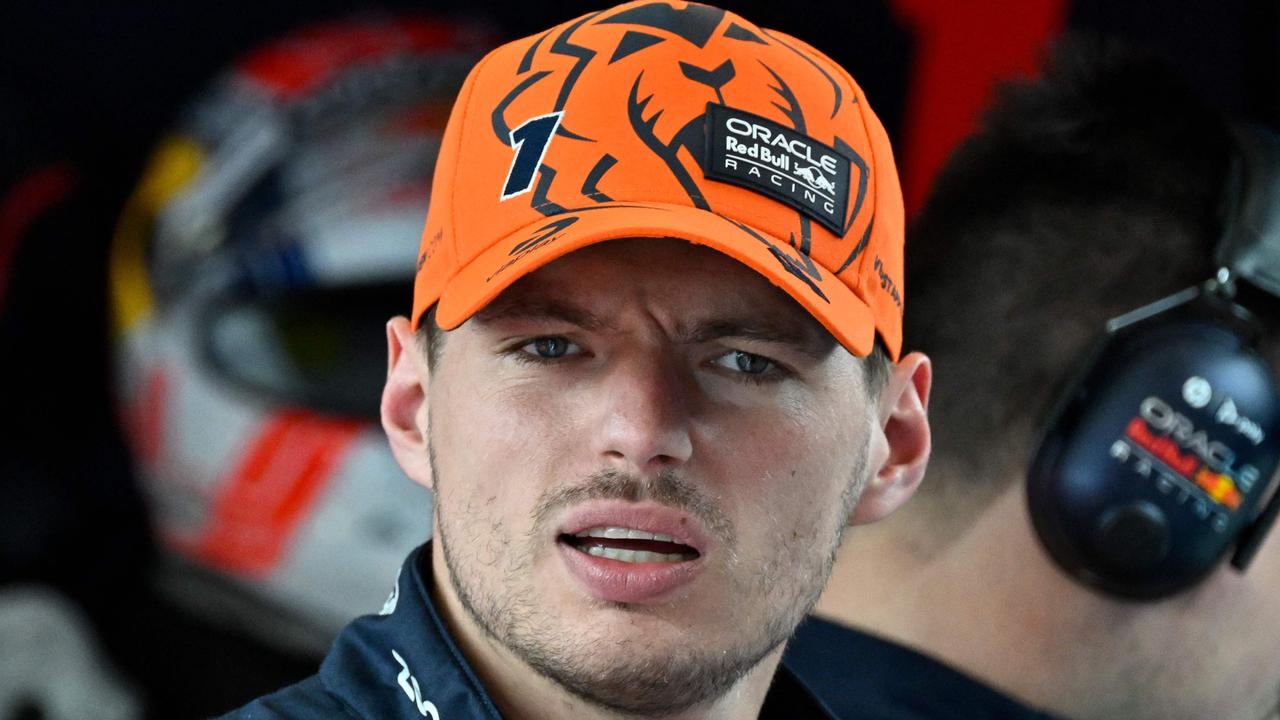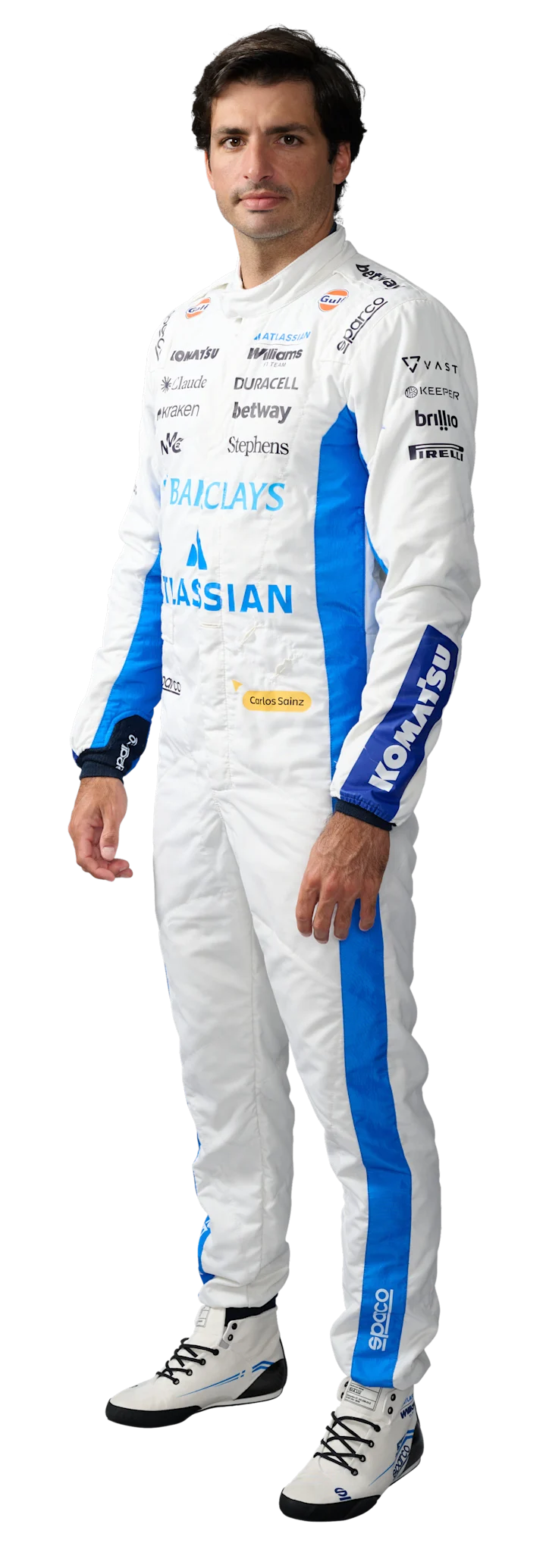
The pre-season prediction is one of Formula 1's quietest traditions. Drivers are wheeled in front of cameras, asked who they think will win the championship, and almost always retreat into team-loyalty platitudes about themselves and their own car. In late February, with the 2026 power-unit era still a sheet of paper and a wind-tunnel projection, Carlos Sainz refused to play that game.
'I'll say two names. Okay. Can I say two names? George Russell or Maxin,' Sainz told the camera, mangling Verstappen's first name in the way Spanish-language drivers sometimes do but leaving no doubt who he meant. With three months and several races since gone by, that line is starting to read less like a guess and more like a man who had seen something nobody else had bothered to listen to.
What is striking is what Sainz refused to do next. Asked to elaborate on his picks, the Williams driver — a man who had spent the previous twelve months working closely with two future top-team drivers and is renowned in the paddock for his preparation and analytical reading of the field — declined.
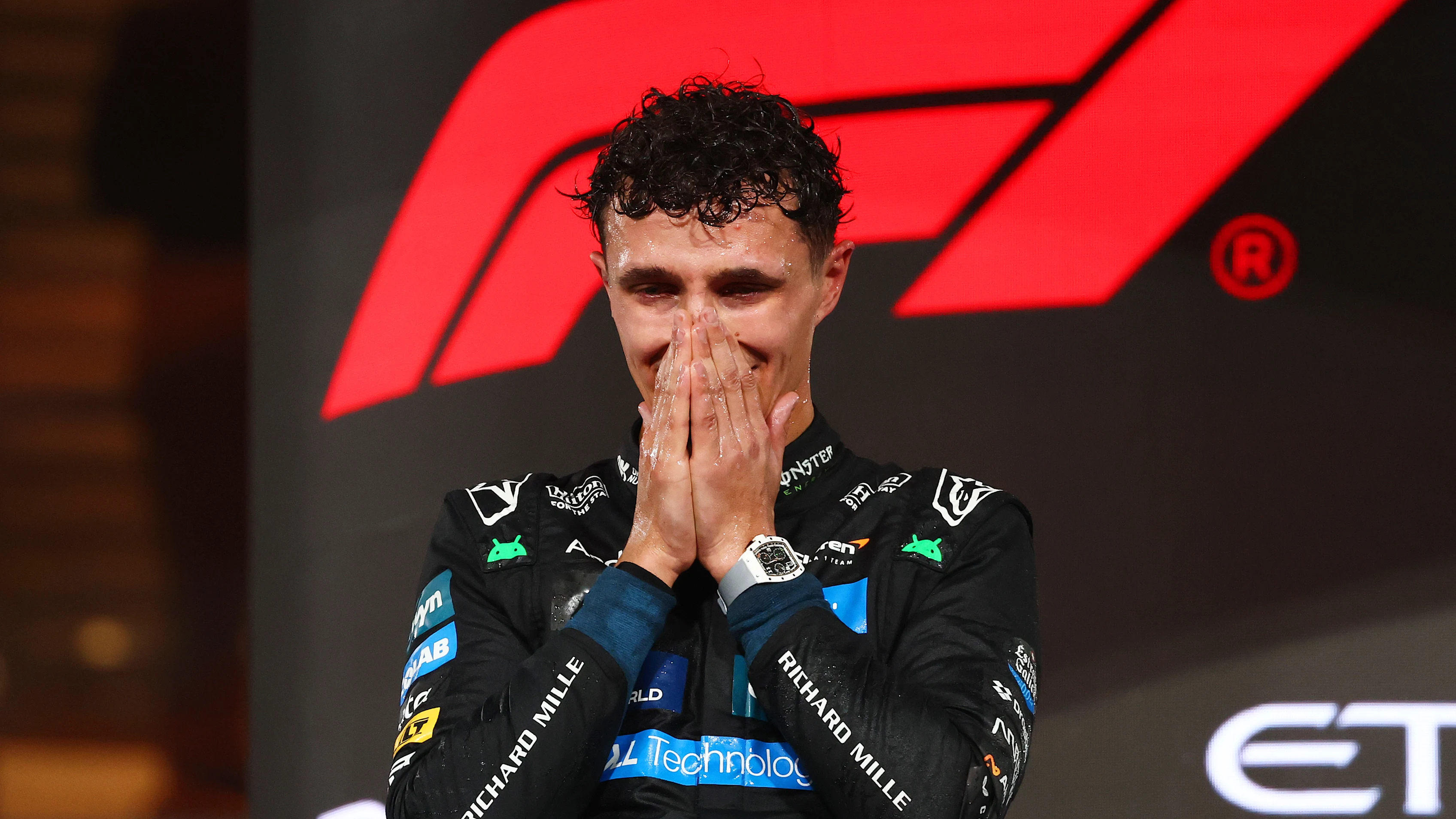
'No, you cannot,' was all he offered when the follow-up question came.
The detail behind that 'no' has become more interesting as the season has unfolded. Russell, picked first by Sainz, is now the senior face of a Mercedes team that has won at every venue the 2026 calendar has so far visited. His teammate Kimi Antonelli leads the drivers' championship with three consecutive wins, and the conversation inside the paddock is increasingly about whether the championship is over before it has properly begun. Sainz, who was Russell's teammate at Williams during the 2025 season's late stages and shared the Mercedes power-unit data through pre-season simulation work, would have been one of a handful of drivers with hard numbers on Mercedes' new package by the time he made the call.
The second name is the harder one to defend. Max Verstappen is now sixth in the standings, navigating an RB22 chassis that is the most aerodynamically experimental on the grid but cannot match Mercedes for power and Ferrari for cornering. By Suzuka, the three-time champion was openly describing the 2026 cars as 'probably my least favourite' he had driven in his F1 career, and Red Bull's race-by-race messaging has shifted from championship intent to development damage limitation.
But Sainz's instinct for Verstappen has form. The two raced against each other in karting, in junior single-seaters and across all of Verstappen's senior career, and Sainz has been consistent for years that he believes Verstappen finds another half-second when his car is anywhere close. The 2026 version of that car may not exist yet, but Red Bull's planned mid-season power-unit upgrades — particularly the ADUO tier the FIA introduced specifically to allow Honda and Audi a catch-up window — are designed exactly for the Verstappen-style recovery comeback Sainz appears to have factored into his call.
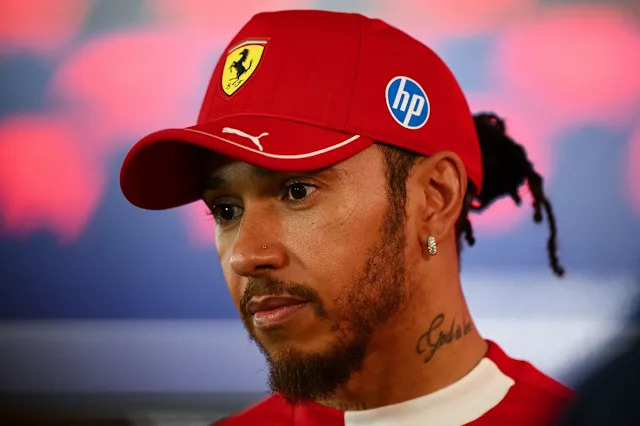
The third name in the room — and the one Sainz pointedly did not include — is Antonelli. The 19-year-old's hot streak is the story of 2026, and statistical models built around drivers who win three consecutive races as rookies hand them strong championship odds. Sainz, who knew Antonelli through Mercedes' simulation programme, may have read the rookie's pace and considered him too inconsistent across full race distances to be a complete bet. So far, Antonelli's data suggests Sainz called that side of it wrong.
What is harder to argue is the spirit of the prediction. The 2026 championship picture so far is, exactly, a Mercedes battle in front and a Verstappen comeback narrative behind. Sainz's only error appears to be undercounting which Mercedes driver. He gave the field two names. In May, the conversation is about whether either of them is wrong.
---
*Originally published on [News Formula One](https://newsformula.one/article/carlos-sainz-2026-title-prediction-russell-verstappen-pre-season-call). Visit for full coverage.*