Formula 1 enters 2026 with a sweeping rule overhaul widely described as the biggest shake-up in the World Championship’s history. The package targets closer, more engaging racing and greater road relevance, reshaping everything from power delivery to aerodynamics.
Headline changes include smaller, lighter, more agile cars and simplified aero intended to make it easier to follow and overtake. Drivers now have a Boost button to deploy extra power for attack or defense, while an Overtake Mode delivers a surge when they are within one second of a car ahead. The concepts come with fan-friendly, gamified labels, but early feedback is divided, with some in the paddock finding the new machines harder to drive and less predictable.
F1 regularly revises its rulebook to keep the competitive challenge fresh and to accelerate technologies that can transfer to road cars. The 2025 ground‑effect era produced enormous grip — enough for drivers to tackle daunting corners such as Eau Rouge flat out — and, after Oracle Red Bull Racing mastered the concept to dominate 2022 and 2024, the field had largely converged by 2025. To avoid technical stasis and to reset competitive order, the sport has moved decisively for 2026.
At the heart of the update is a rebalanced hybrid power unit. The 1.6‑liter, V6 turbocharged internal combustion engine introduced in 2014 remains, but the electric side grows significantly. The Motor Generator Unit – Kinetic (MGU‑K), mounted to the crankshaft, harvests energy under braking and even when the engine is idling, storing it in a battery. That kinetic energy now accounts for roughly half of a power unit’s near‑1,000 bhp (745 kW), nearly three times the contribution seen in 2025.
From the cockpit, drivers can call on that stored energy via a prominent Boost button. In parallel, an Overtake Mode grants additional power when a chaser is within one second of the car in front, offering another tool to facilitate passes or defend position. These layered systems are deliberately labeled in ways that aim to make the action easier for fans to follow.
Aerodynamically, F1 moves beyond the long‑standing DRS era. Instead of a single rear‑wing flap opening on the straight, the 2026 cars feature active aerodynamics at both ends. In X‑mode (Straight‑Line Mode), flaps open to reduce drag and increase top speed; in Z‑mode (Cornering Mode), they close to add downforce and grip. The overall aero package is simpler, cutting the wake of dirty air and helping trailing cars stay closer through a sequence of corners.

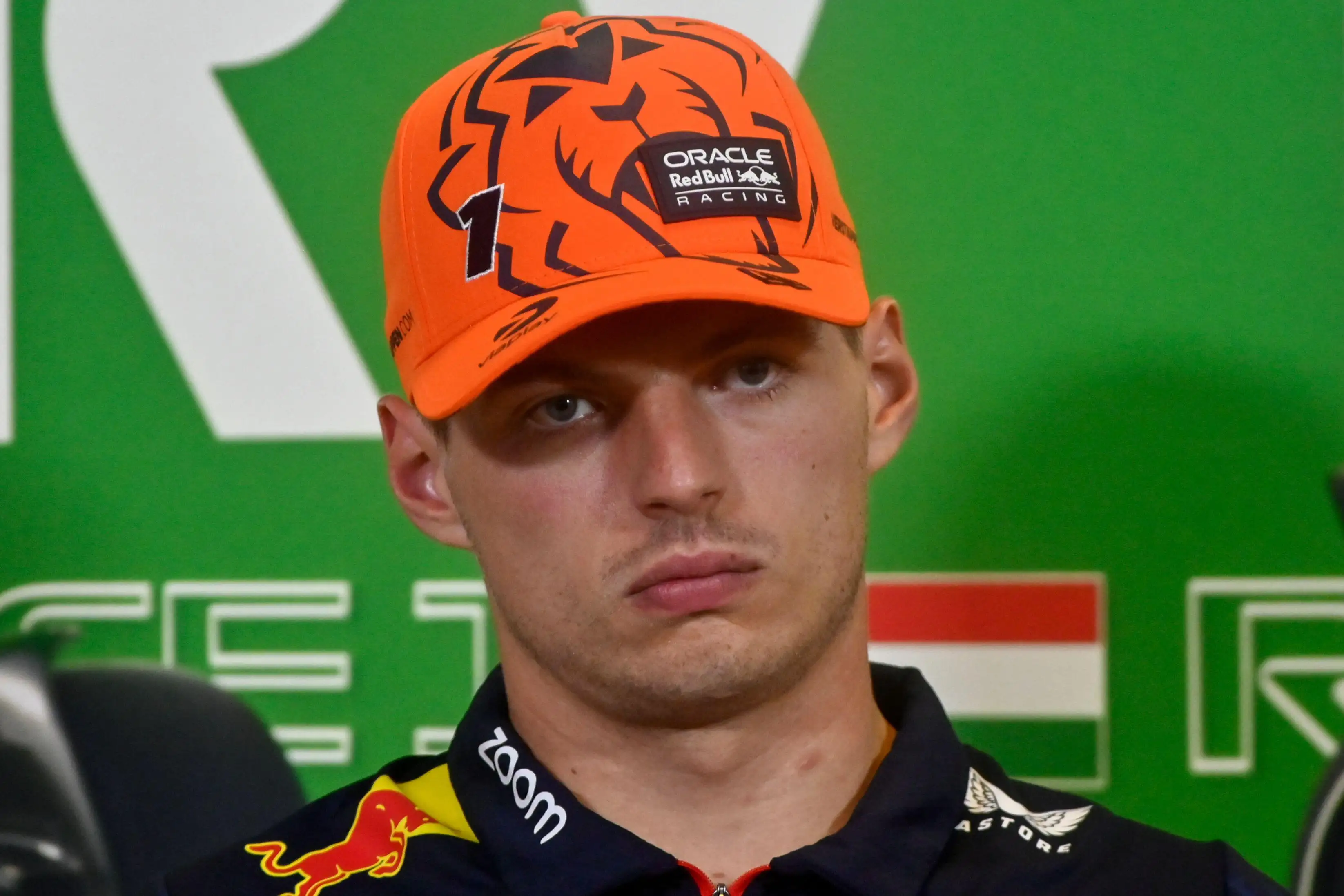
Not everyone is convinced. The new power delivery and aero balance have drawn criticism for making cars more demanding and, at times, less rewarding to drive. Four‑time World Champion Max Verstappen is among those expressing concern, reflecting a broader debate among drivers and team personnel about the sport’s new direction.
What happens next will hinge on development and execution. Teams will hunt for performance in how they harvest and deploy energy and how they synchronize active aero with the new power profile. Key storylines to watch include whether overtaking measurably improves, how strategies around Boost and Overtake Mode evolve, and if the balance between spectacle and driver challenge lands where stakeholders intend.
---
*Originally published on [News Formula One](https://newsformula.one/article/f1-2026-rules-explained-boost-button-active-aero-lighter-cars). Visit for full coverage.*