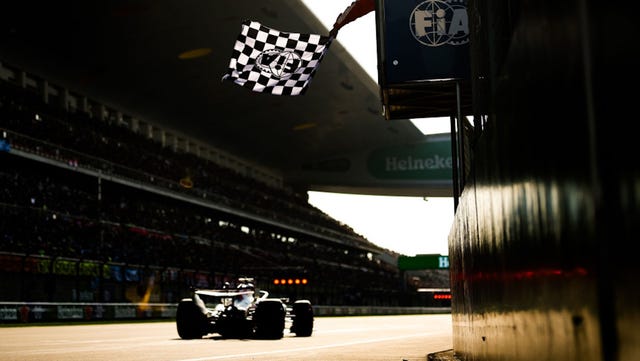
Formula 1 has enacted midseason adjustments to its 2026 regulations, fast-tracking revisions for this weekend’s Miami Grand Prix. The move, agreed by Formula One Management with the FIA, team principals, and power-unit manufacturers’ CEOs after just three races, follows early excitement on track but mounting criticism from fans and drivers.
This year’s major overhaul increased reliance on the electric side of F1’s hybrid systems. While that helped shake up the competitive order, it also introduced new dynamics—most notably “superclipping,” when a driver is at full throttle but the car is harvesting energy, often at the end of long straights or in high-speed corners. The result has been unexpected coasting and pronounced speed differentials.
Qualifying sees a targeted fix: the maximum recharge rate has been reduced from 8 megajoules (2.2 kWh) to 7 megajoules (1.9 kWh). The aim is to cut superclipping to roughly two to four seconds per lap. Complementing that, peak recharge power rises from 250 kW to 350 kW, a change that applies in both qualifying and races to further reduce time spent harvesting.
On race day, power from this year’s new “Boost mode” is now capped at 150 kW (or the car’s current power level at activation, if that is higher). The cap is intended to avoid extreme speed deltas like those seen between Oliver Bearman and Franco Colapinto at Suzuka. In addition, MGU-K deployment is limited to 350 kW in key acceleration zones—defined as corner exit to the next braking phase—as well as in overtaking zones, and capped at 250 kW everywhere else on the lap.
Starts also get a safety-oriented update. A new “low power start detection” system will identify cars with abnormally slow getaways after clutch release; in those cases, the MGU-K will automatically deploy to provide minimal acceleration without conferring a sporting advantage. Flashing rear and side lights will alert following drivers that the system is active.
Drivers have been vocal about the early-season quirks, and reaction to the fixes will be closely watched in Miami. Offering his view, Audi’s Nico Hülkenberg told Car and Driver: “Well, that’s obviously a TBC for this weekend. On paper, they definitely look like a step in the right direction, especially when you look at safety. There was this big difference in delta speed, which, you know, can cause accidents like we saw in Japan, and that is dangerous at the end of the day.”
Asked whether lessons from endurance racing’s multi-class formats might transfer to F1, Hülkenberg added: “I mean, it’s in the DNA of endurance racing. You have different categories, but they don’t directly battle each other because they’re, you know, different categories. But it does happen every now and then that they get in each other’s way, and there are incidents from that. I mean, that’s quite normal, and inevitable in a way, because you have these big closing speeds there too. I think it’s slightly different for us. I don’t know if the cars can be compared. I just don’t see it similarly.”
What to watch next: how much qualifying superclipping actually drops toward the two-to-four-second target, whether the Boost cap tames speed deltas in traffic, and how the start-detection system influences getaways. Miami will offer the first read on whether these measures deliver the intended blend of safety and raceability.
---