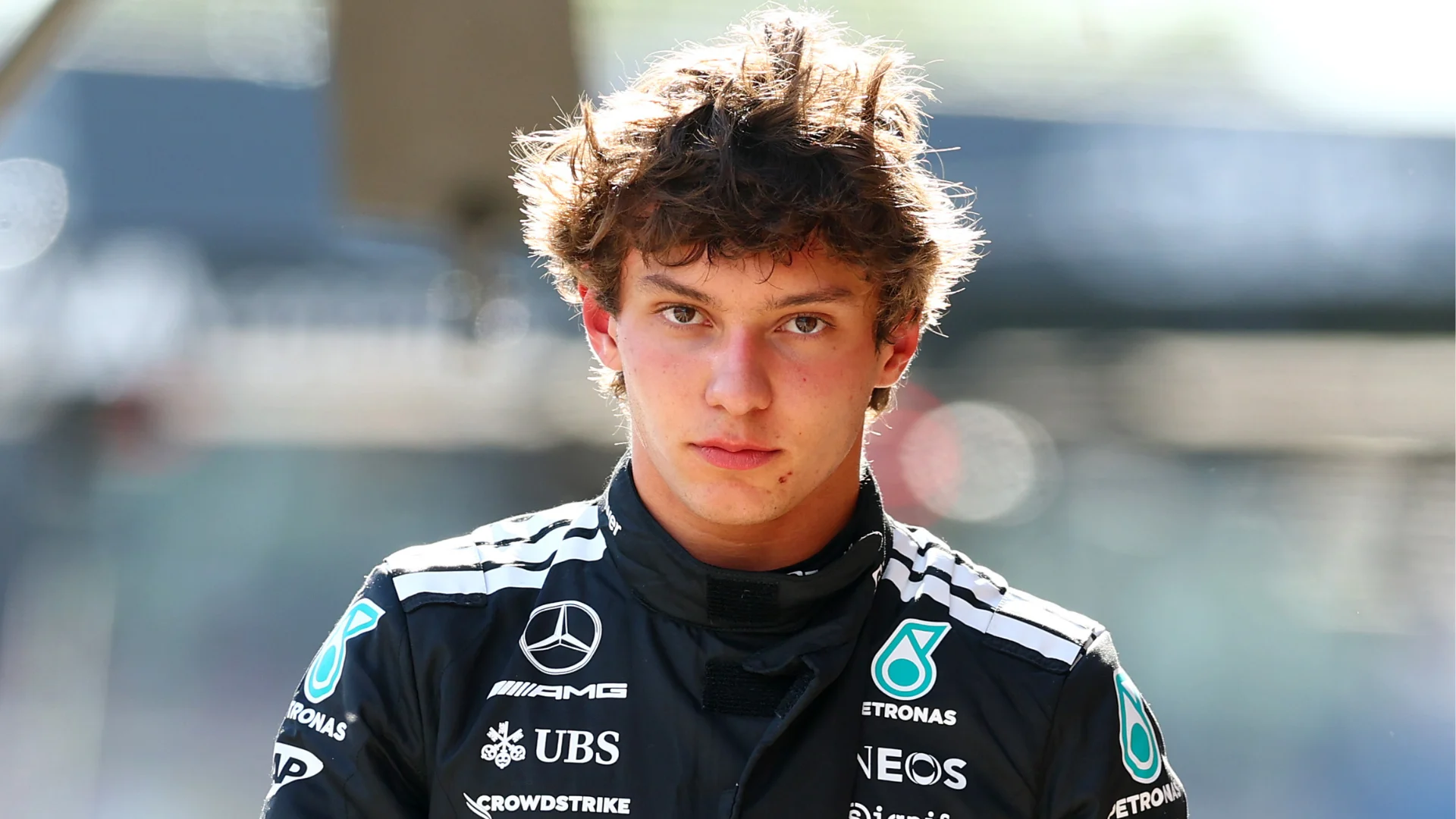
The race-by-race in-team gap between George Russell and Kimi Antonelli has now moved through nearly a full second per lap in only four rounds — a Mercedes data trend that no amount of public reassurance from Toto Wolff can hide, and one that a Canada upgrade is unlikely to reverse.
A detailed breakdown of median race pace from the opening four rounds of the 2026 season, published by motorsport analytics channel Sector One, lays out a single direction of travel: Russell narrowly ahead in China, then a 602-millisecond deficit in Japan, then a 928-millisecond deficit in Miami. Same chassis, same engine, same tire compounds, same upgrades — a near full-second gap, in the same car, against a 19-year-old rookie who started the season with no F1 race wins.
Round one in Australia produced effectively a dead heat: Antonelli’s median race pace was 83.030 seconds, Russell’s 83.093 — a 63-millisecond rookie lead that the paddock filed under "normal" given Antonelli’s low-mileage advantage. Round two in China saw Russell strike back, outpacing his rookie team-mate by 65 milliseconds. The two were trading 0.06s in either direction.
Then the floor opened up. In Japan, Russell ended the race a median 602 milliseconds per lap slower than Antonelli. By Miami, the gap had widened to 928 milliseconds per lap. From -65 to +602 to +901 in three races is not a one-race anomaly — it is a step change.
Antonelli posted a tire-degradation slope of -26 milliseconds per lap, the strongest figure on the grid. Lando Norris was second, Oscar Piastri third. Russell came in 14th in the field at -5 milliseconds per lap.
The implication is uncomfortable for Mercedes. Across a 50-lap stint, on identical tires and at the same air temperature, Antonelli is finding more than a full second per lap purely from how he loads the tire on entry. The car cannot generate that. The strategist cannot generate that. Only the driver can.
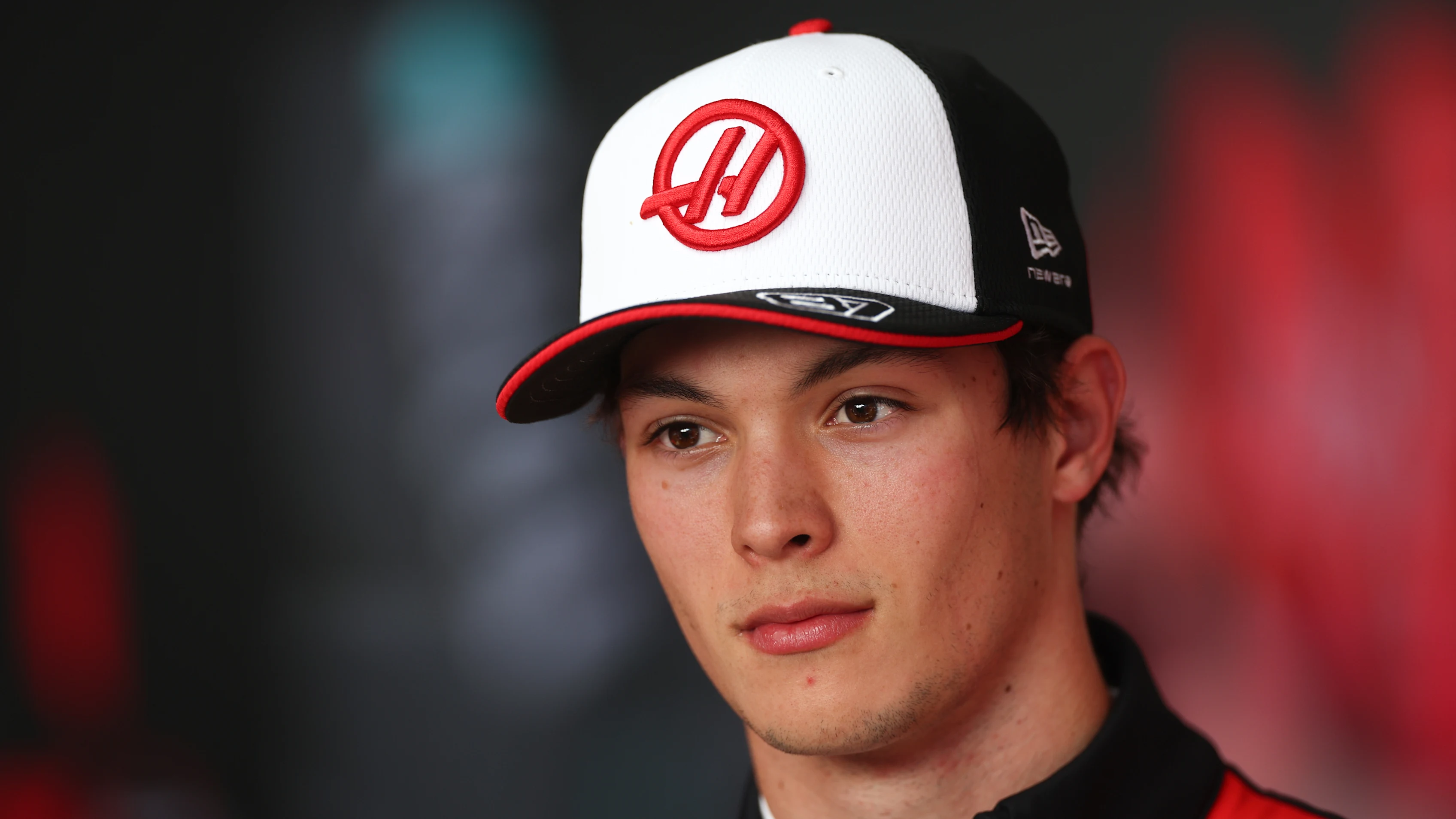
It is also why Sector One’s analysis flags Mercedes’ imminent Canada upgrade as unlikely to close the in-team gap.
"More downforce gives both drivers more grip. Both drivers feel it equally," the channel argued. "If Antonelli is currently extracting 26 milliseconds per lap from tire wear, and Russell is extracting five, and that gap comes from how each driver loads the front tires on entry, then a floor revision raises the floor for both of them. It does not change the gap between them."
Wolff has publicly committed to the Canada package, telling Miami media that the upgrade "has to work." The internal expectation, according to the analysis, is that the floor revision could pull Russell back to within roughly 700 milliseconds of Antonelli — still likely to leave him behind both McLarens on race pace.
The single data point Sector One flagged for the Saturday in Montreal is the intra-team qualifying gap. A delta under 200 milliseconds in Russell’s favour, the channel argued, would be the first signal the trend has broken. A gap above 400 milliseconds in Antonelli’s favour would suggest the rookie has Russell mentally covered before the European leg even begins.
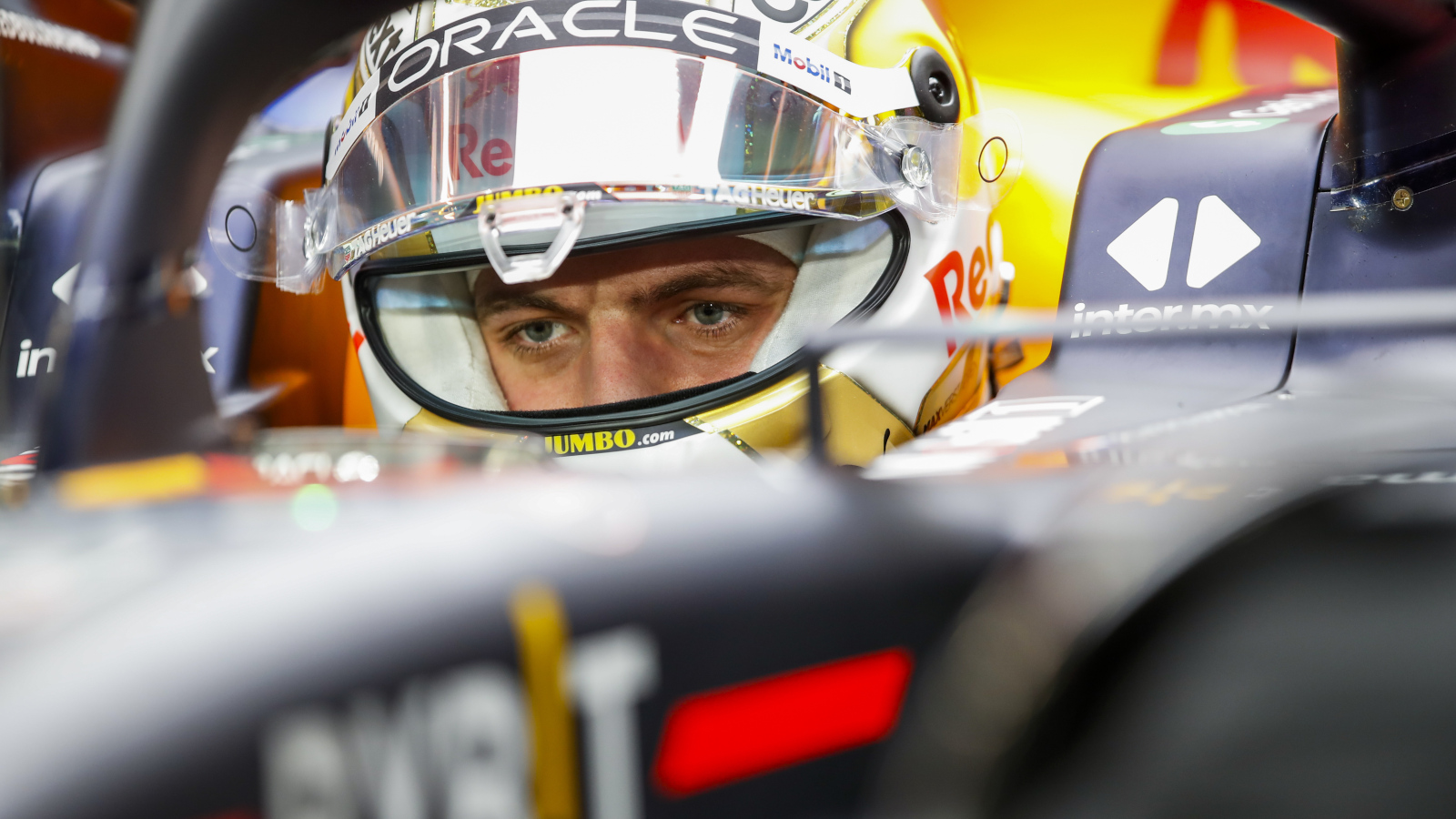
That last possibility is the one Mercedes’ senior management have been working hardest to dampen publicly. Russell’s pre-Miami radio request to use the final 20 laps as an "experiment" to find pace, and his admission that he was caught out by the field’s upgrade pace in a weekend Mercedes did not bring updates to, both fit the same picture: the team’s 2026 car is fast, but it is increasingly unclear which of the two drivers it was actually built to suit.
The numbers say it was built for the one who is already winning.
---
*Originally published on [News Formula One](https://newsformula.one/article/george-russell-kimi-antonelli-928ms-gap-tire-deg-mercedes-2026-canada-data). Visit for full coverage.*