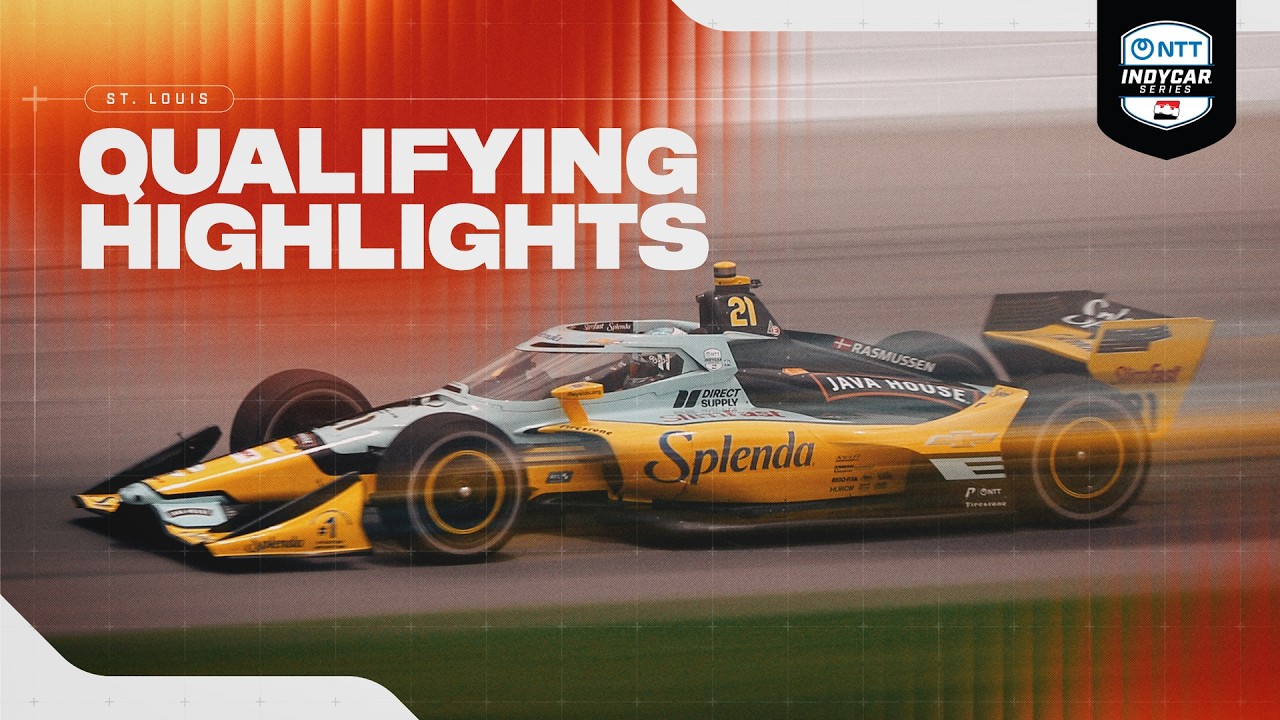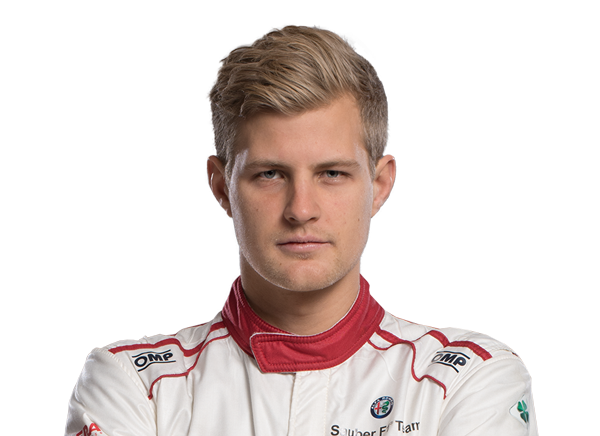
When Marcus Ericsson made the transition from Formula One to IndyCar racing in 2019, few could have predicted that the softly-spoken Swede would become one of American open-wheel racing's most compelling success stories. Now driving the #28 for Andretti Autosport, the 33-year-old has transformed from F1 journeyman to Indianapolis 500 winner, establishing himself as a formidable competitor in one of motorsport's most demanding championships.
Born on September 2, 1990, in Kumla, Sweden, Ericsson's journey to IndyCar stardom began in the traditional fashion. Like many of today's top drivers, he cut his teeth in karting from age nine, collecting several national titles before making the crucial step to car racing in 2007. His debut season proved prophetic of his later success – Ericsson immediately demonstrated his adaptability by capturing the British Formula BMW championship with Fortec Motorsport.
The early signs of promise continued as Ericsson progressed through the junior formulae ranks. After a solid rookie campaign in British Formula Three, he made a bold move to Japan, where he claimed the All-Japan Formula Three Championship in his debut year – a feat that showcased the international racing acumen that would later serve him well in IndyCar's diverse field of circuits.
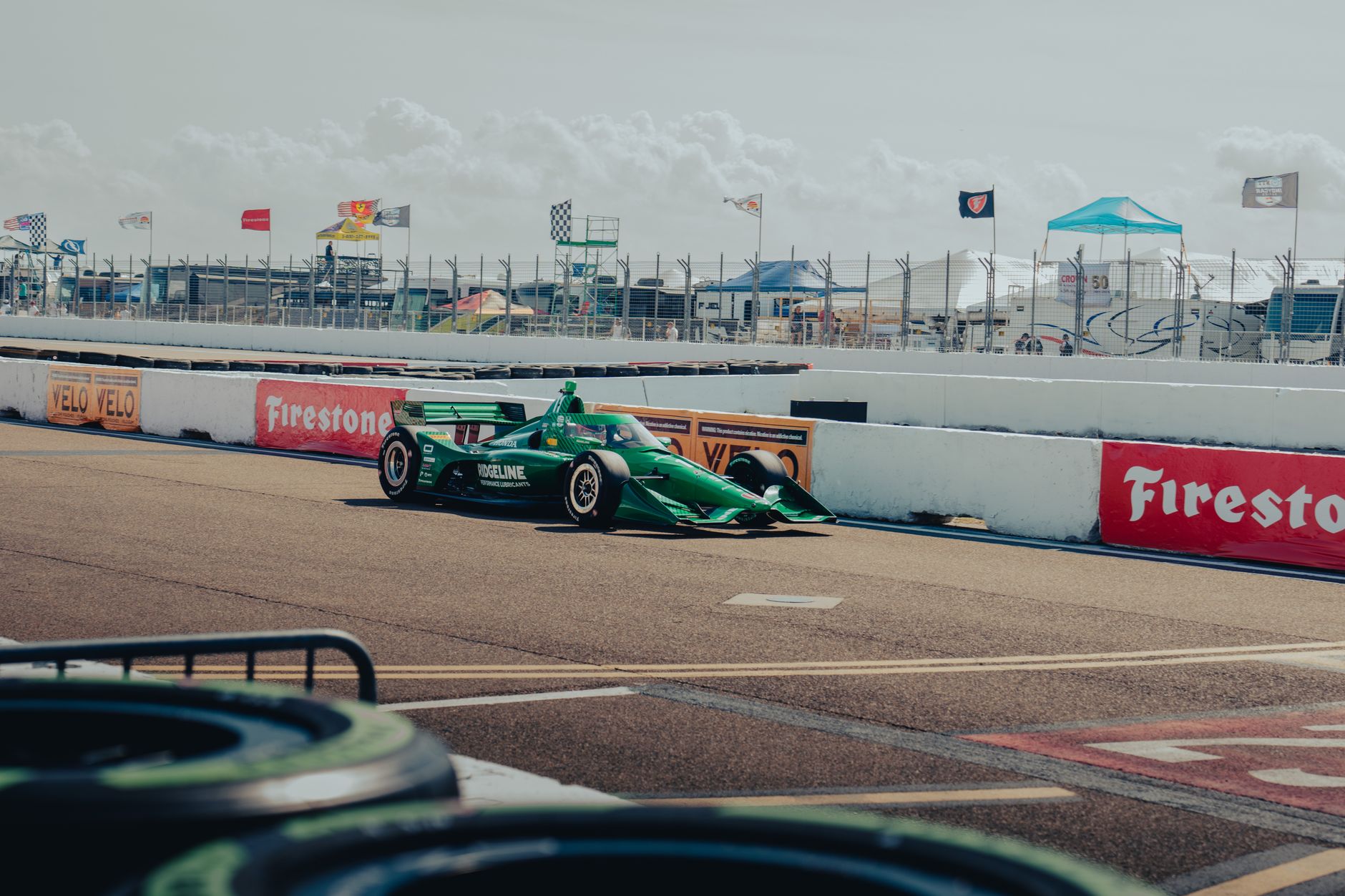
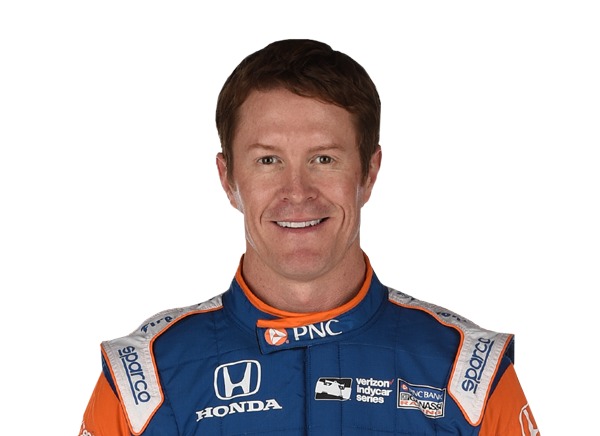
Ericsson's ascent through motorsport's traditional ladder system continued with his 2010 graduation to GP2, Formula One's primary feeder series. Over four seasons in GP2, split between Super Nova Racing, iSport, and DAMS, he secured one victory while developing the racecraft and technical understanding that would eventually make him a complete racing driver.
Career Journey
The Formula One chapter of Ericsson's career began in 2014 with the struggling Caterham team before a multi-year stint with Sauber (later Alfa Romeo Sauber) from 2015 to 2018. While his F1 statistics – zero wins, podiums, or poles across 97 starts – might suggest an underwhelming period, this assessment misses the broader picture. Ericsson consistently extracted maximum performance from uncompetitive machinery, earning respect within the paddock for his technical feedback and professional approach.

More importantly, those F1 years provided invaluable experience in setup work, tire management, and race strategy – skills that translate directly to IndyCar's technical demands. The series' emphasis on engineering optimization and strategic thinking has allowed Ericsson to leverage his F1 background more effectively than many might have anticipated.
Championship Implications
The decision to join Chip Ganassi Racing for his IndyCar debut in 2019 proved transformative. Under the guidance of one of American motorsport's most successful organizations, Ericsson quickly adapted to the series' unique challenges. IndyCar's combination of street circuits, road courses, short ovals, and superspeedways demands versatility that few championships can match, yet Ericsson's methodical approach and technical sophistication served him well across all disciplines.
Career Journey
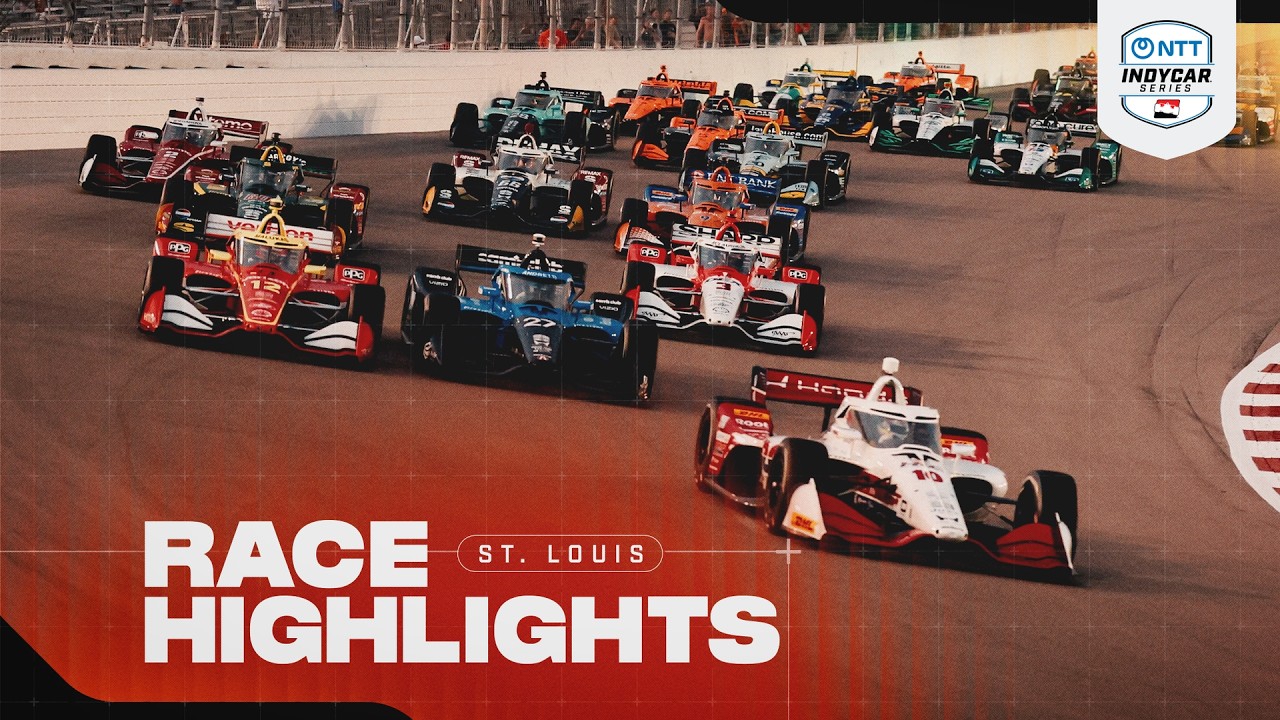
His breakthrough moment came on May 29, 2022, when Ericsson captured motorsport's most prestigious prize – victory in the Indianapolis 500. Starting from fifth position, he executed a masterful race, managing fuel strategy and track position before taking the lead with just over 20 laps remaining. His emotional celebration after taking the checkered flag represented not just personal vindication, but the culmination of a journey that had taken him from the back of F1 grids to the top step of IndyCar's biggest stage.
The Indianapolis 500 victory elevated Ericsson's profile significantly, establishing him as a proven winner capable of performing under the ultimate pressure. That success, combined with his consistent performances throughout his time with Ganassi, made him an attractive proposition for other top-tier teams.
Ericsson's move to Andretti Autosport for the current season represents a new chapter in his IndyCar career. The iconic American team, with its rich history and championship-caliber resources, provides an ideal platform for him to build upon his Indianapolis 500 triumph. Andretti's technical capabilities and strategic acumen align well with Ericsson's methodical approach to racecraft.
What sets Ericsson apart in IndyCar's ultra-competitive field is his combination of European technical sophistication and American racing pragmatism. His F1 background provides deep understanding of aerodynamic sensitivity and tire degradation management, while his IndyCar experience has taught him the aggressive, wheel-to-wheel racing style essential for success in the series.
Beyond his on-track abilities, Ericsson brings valuable international perspective to IndyCar. As one of the few European drivers to find sustained success in the series, he serves as a bridge between motorsport cultures, helping to elevate IndyCar's global profile while contributing to the championship's increasingly international character.
Looking ahead, Ericsson's career trajectory suggests his best years may still be ahead. At 33, he possesses the perfect combination of experience and motivation, with the Indianapolis 500 victory providing confidence while maintaining hunger for additional success. His partnership with Andretti Autosport offers the platform necessary to challenge for race wins and potentially championship contention.
Marcus Ericsson's evolution from F1 backmarker to IndyCar winner exemplifies motorsport's unpredictable nature. His story proves that talent combined with perseverance and the right opportunity can lead to unexpected triumph, making him one of IndyCar's most fascinating competitors.