The Canadian Grand Prix has always been a development inflection point — the first race after a three-week gap, the first major back-to-back for European-based engineering teams, the first chance to deploy the upgrades they could not finish in time for Miami. The 2026 edition is shaping up no differently, but with one notable wrinkle: at this stage, the upgrade story is tilting visibly toward Mercedes and against Ferrari.
According to multiple commentary outlets reporting paddock chatter this week, Mercedes is preparing what is being described as a substantial package for Montreal — rumoured to be worth in the region of three tenths of a second per lap. If that materialises anywhere near the stated figure, it would extend a lead the Brackley team has already built race by race over the opening four rounds, and would arrive at a track where it has historically been strong.
For a Ferrari camp that left Miami publicly conceding it is fighting from a deficit, the response was supposed to be a new front wing — a direct answer to Lewis Hamilton's pointed observation that Maranello's wing design was simply behind its top rivals. Hamilton put the issue on the record after Miami, framing it not as a wing-tuning concern but as a fundamental design gap.
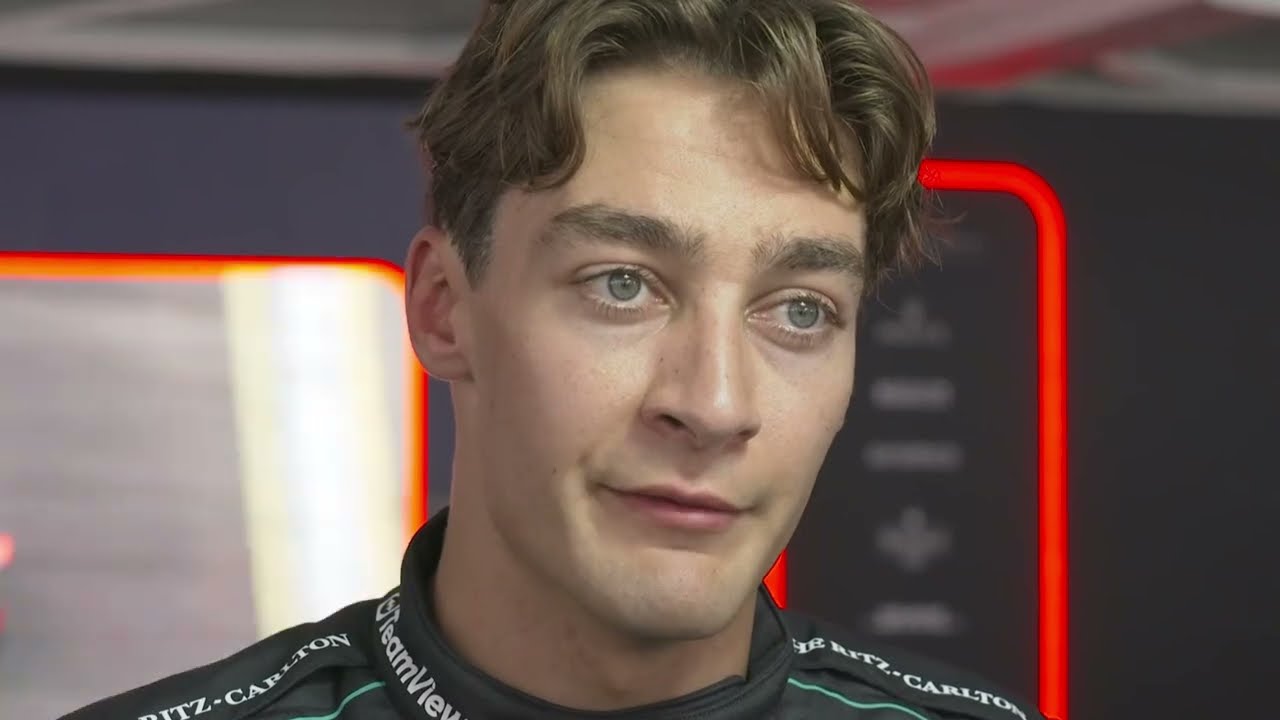
Ferrari, by all accounts, agrees. As the TacticalRab commentary summarised the latest reporting: "Ferrari have a new front wing in the works after Hamilton called them out following Miami and said that Maranello are simply far behind their top rivals when it comes to the front wing design. They, it seems, agree at Ferrari. A new design is in the works, but it may not arrive immediately."
The last seven words are the problem. Front wings are not bolt-on consumables; they are the foundation around which entire car philosophies are designed. Replacing the front wing requires re-balancing the rest of the car aerodynamically, which is precisely the kind of work that takes time even when the resource is there. Ferrari's decision not to rush the new design to Canada is, in that sense, more responsible than the alternative — but it also confirms that Montreal will be raced with the same architectural deficit Hamilton flagged.
The knock-on effect is that the Russell–Antonelli battle at Mercedes, the Norris–Piastri pace at McLaren, and the Verstappen-led Red Bull recovery story all get to develop another fortnight with Ferrari measurably on the back foot. Vasseur's comments earlier this month, in which he described being shocked at how Ferrari had been operating on "tenths" rather than thousandths, were already framing Maranello's broader cultural issue. The Montreal timing makes the technical version of the same problem unavoidably visible.
There are scenarios in which the picture flips quickly. Canada's stop-go layout is hard on rear traction, hard on brakes and historically punishing on cars that struggle in slow corners — exactly the area Ferrari's senior engineers privately believe the SF26 is strongest. A wet weekend, a safety car called at the right moment, or a single grid-penalty cascade for a Mercedes can rearrange the maths.
But on the underlying development trend, the signal is consistent. Mercedes is bringing the big upgrade. Ferrari's biggest answer is not ready. Whatever Montreal delivers on Sunday, the upgrade war it announces is one Ferrari now has to fight from behind.
---