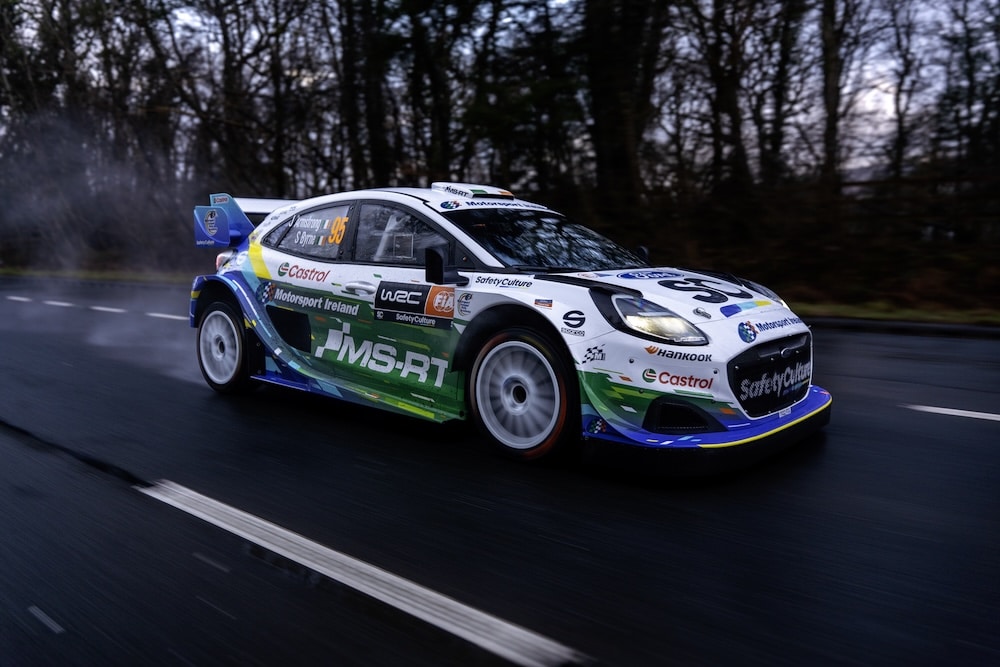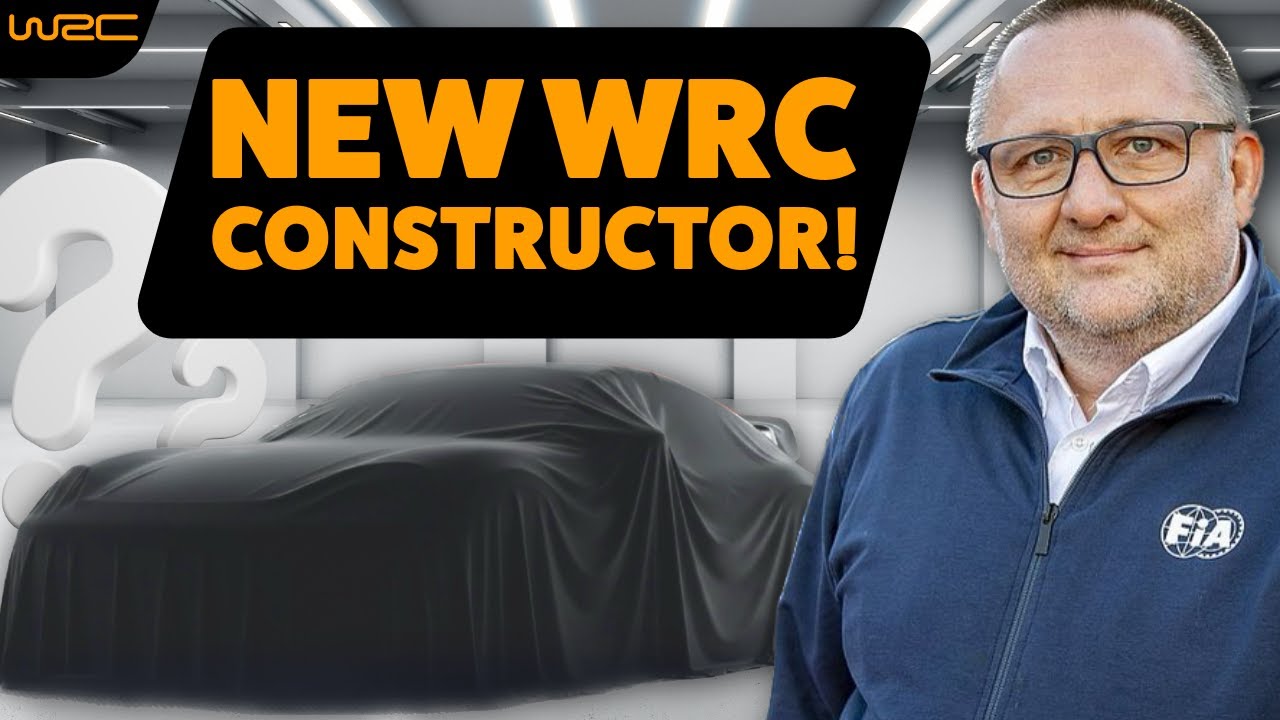
The World Rally Championship's 2027 reset has its second new constructor. RMC Motorsport, a Spanish engineering operation working in partnership with the country's national governing body for motorsport, RFEDA, has confirmed it will build an all-new Rally1 car for the championship's next regulation cycle.
The announcement makes WRT Rally1 Spain by RMC-RFEDA the second project to formally commit to the FIA's 2027 ruleset, joining Project Rally One — led by former Citroen WRC engineer Lionel Hansen — and Toyota Gazoo Racing's in-house development. With those three programmes in place, the WRC's tally of distinct Rally1 entities has effectively doubled in the space of a few months.
RMC's pitch leans on its existing track record. The company has designed and built N5-class rally cars deployed by privateer customers across multiple continents, and its founder Roberto Mendez was quick to frame the 2027 step-up as an extension of that lineage rather than a leap into the unknown.
"We now approach the opportunity to develop the new FIA 2027 Rally1 car with great enthusiasm," Mendez said.
The structural novelty is the involvement of RFEDA. The Real Federacion Espanola de Automovilismo becomes, in the FIA's own description, "the first FIA member club to actively support a WRC entry," a precedent that puts a national federation directly behind a manufacturer-level rally programme.
RFEDA president Manuel Avino called the project "a source of great pride" for Spanish motorsport, adding that it would "strengthen the quality and recognition of the Spanish motorsport industry." It is a politically significant declaration as well as a technical one: Spain has produced Rally2-level constructors and customer programmes for years, but a WRC top-tier homologation would push the country into a tier currently occupied only by Japan, Korea and Britain via M-Sport.
For the FIA, the news is the latest in a string of green shoots since the 2027 regulations were finalised. Deputy president Malcolm Wilson — himself the founder of M-Sport Ford — described the RMC entry as encouraging, suggesting it reflected "confidence federations have in the direction the WRC is taking."
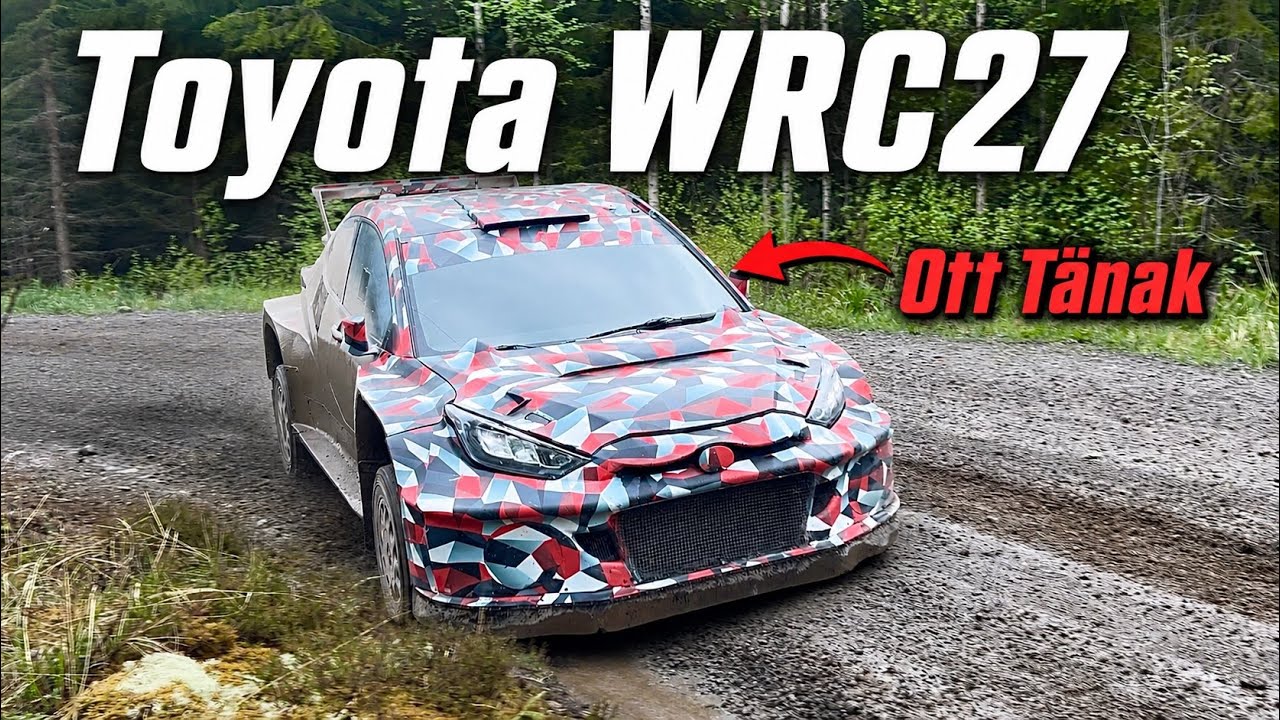
That sentiment will be tested over the next 18 months. Toyota is already running test prototypes — including the GR Rally1 mule recently piloted by Ott Tanak — and has signalled an aggressive development schedule. Project Rally One is targeting a public reveal of its concept later in 2026. M-Sport, the constructor that has effectively kept the Rally1 grid alive since Volkswagen's 2016 exit, is still weighing whether to commit to a clean-sheet build or partner with another manufacturer for 2027, and is expected to clarify its position before the summer break.
What 2027 actually demands is also clearer than it was a year ago. The FIA has tightened the cost cap on the cars, mandated a return to a more "rally-like" silhouette with revised aero rules, and signalled that the powertrain formula will continue to use the existing 1.6-litre turbocharged engines but with a redesigned hybrid system. Earlier in the year, the FIA confirmed that "more than 10 tuners" had registered interest in producing customer Rally1 machinery under the new rules, a figure that points to a deeper grid than the current Rally1 era has produced.
With RMC now in, attention turns to whether any of the other interested parties — including Hyundai, whose 2027 commitment is still being negotiated — convert that interest into a concrete entry. The WRC has not had a serious constructor influx like this since the early Group A years.
---
*Originally published on [Motorsports Global](https://motorsports.global/article/rmc-motorsport-rfeda-spain-wrc-2027-rally1-second-constructor). Visit for full coverage.*