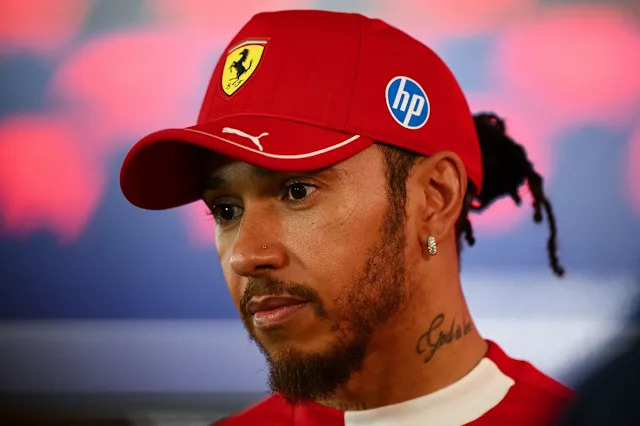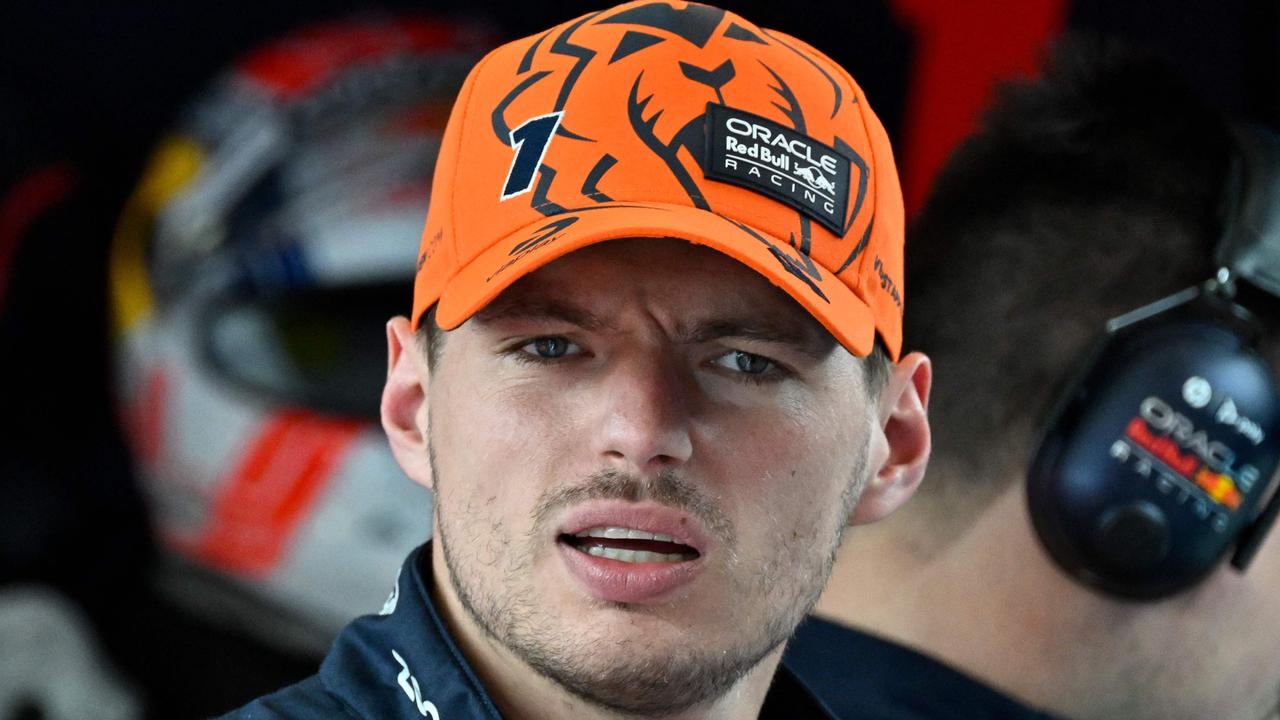
Max Verstappen has delivered the bluntest public verdict of Red Bull's 2026 crisis yet, telling reporters after the Japanese Grand Prix that the car's behaviour is "not sustainable" and that the team has fundamental problems it still does not fully understand.
The weekend itself had already produced its own headlines. Verstappen was eliminated in Q2 at Suzuka — outqualified, in a line that will hurt inside the Red Bull debrief room, by Haas rookie Isack Hadjar. He recovered on Sunday without ever looking like a threat for the podium. But it was his tone in the post-race pen, more than any single corner or lap, that told the real story.
"It's just trying to hang on to it basically in the race," Verstappen said. "This is not not sustainable for us as well as a team I think. So we need to work hard to understand our problems and of course bring improvements."
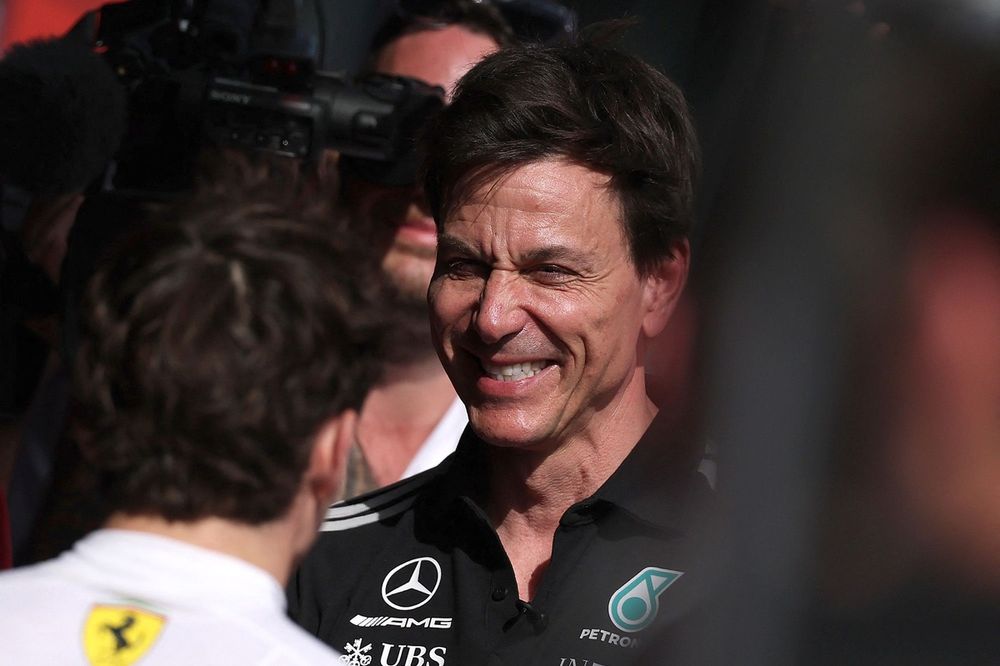
The double negative ("not not sustainable") is the sort of verbal tic that drivers produce when they are trying to moderate something they mean very strongly. In context it is unambiguous: Verstappen does not believe the RB22 can be driven to the finish line like this and expect to contend. At Red Bull, that sentence from Verstappen is a sporting and political event at the same time.
He expanded it later in the pen. "Oh, I'll do some more racing, but yeah, some stuff that makes me smile. And at the same time, speak to the team as well to try and find more pace and a more stable balance — because this is not sustainable for us as a team I think. So we need to work hard to understand our problems and of course bring improvements."
The phrase "stuff that makes me smile" is easy to miss. It is also easy to read as exactly what it is: a public signal from a four-time world champion that he is, at the moment, finding more enjoyment outside his Formula 1 commitments than inside them. A separate report has linked him to a Nissan GT500 test at Fuji in the break between Suzuka and Miami. Verstappen is not pretending that is incidental.
The underlying technical picture is grim enough for the pit wall. Red Bull's upgrade package, brought to the first races, has been widely described as underperforming. One analyst channel summarised paddock talk as "the RB22 is struggling with weight" and that "they are basically struggling in all areas." Internally, team principal Laurent Mekies has been publicly urging a "full attack mode" to claw back the deficit to Mercedes. Publicly, Verstappen's comments at Suzuka suggest that the attack, whatever form it is taking, is not yet producing anything he can feel in the cockpit.
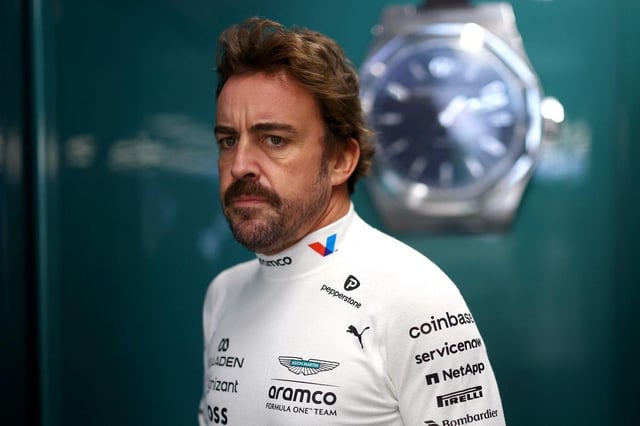
Verstappen was careful, as he often is, to keep the criticism team-facing rather than person-facing. "We have to be realistic of course that we are now not the same team or we are not in the same position that we were five years ago," he said earlier in the weekend, when asked about Suzuka's history as a Red Bull stronghold. "Every year is different." That was the diplomatic version. The post-race "not sustainable" line was the unfiltered one.
There is an additional pressure point behind all of this that was unspoken in the Suzuka quotes but hangs over every answer. Verstappen's contract situation, and the exit clauses within it, have been the quiet obsession of the paddock since pre-season. Mercedes, Aston Martin and Ferrari have all been mentioned in some form in reporting about a driver market that could theoretically move around the reigning-champion chair. The longer Verstappen sounds like this after a race, the more seriously those conversations get had.
For Red Bull, the next five weeks — the gap between Suzuka and the Miami Grand Prix — is a chance to bring the first meaningful technical response of the season. For Verstappen, it is a chance to calibrate how he wants to talk about a car that is, in his own words, not a car a team of Red Bull's stature should be fielding.
---
*Originally published on [News Formula One](https://newsformula.one/article/verstappen-red-bull-not-sustainable-suzuka-2026-admission). Visit for full coverage.*