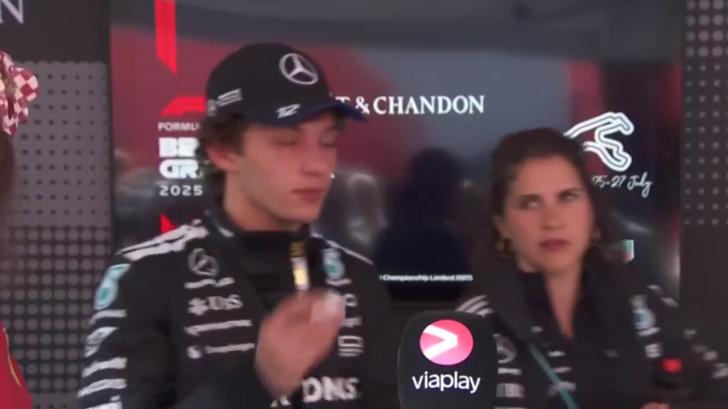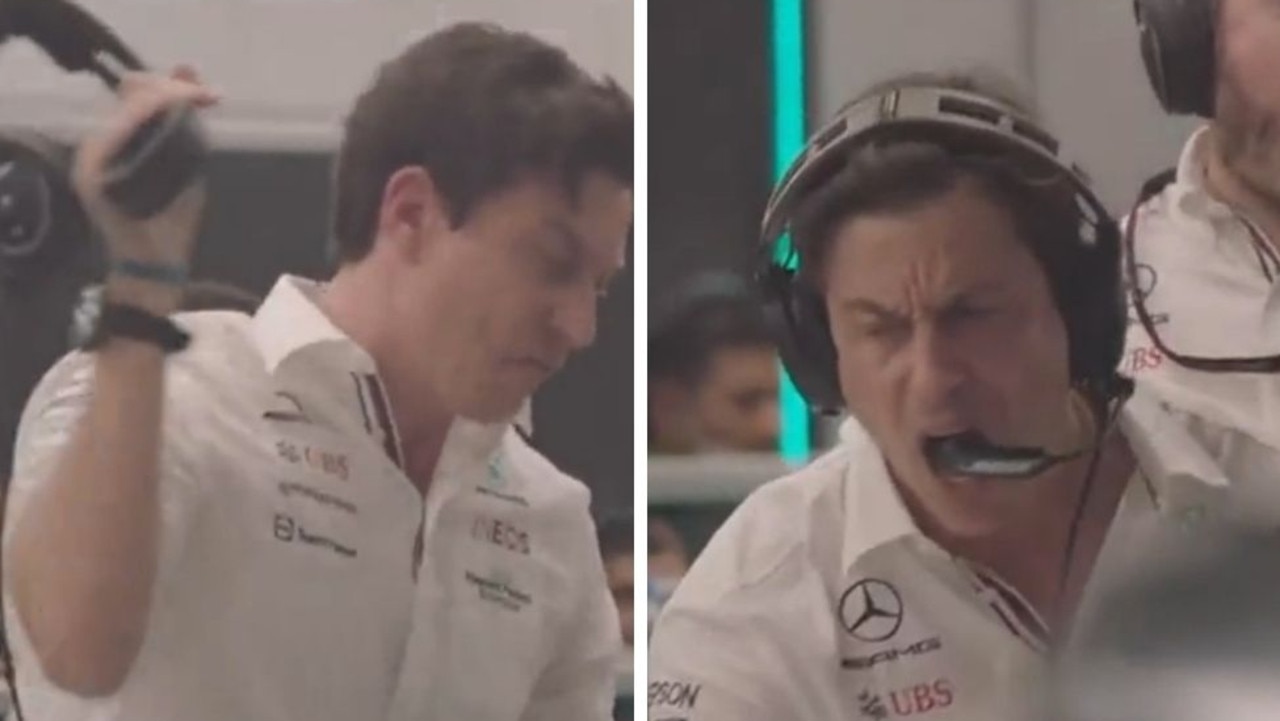
Mercedes team principal Toto Wolff has given a striking piece of technical honesty after the Japanese Grand Prix, revealing that what looked on television like a mysterious battery problem for George Russell was in fact a software bug that delivered the opposite of what the team intended.
Russell spent much of the Suzuka race looking uncharacteristically second-best to his own young teammate, Kimi Antonelli, and at one stage lost a position he had been running comfortably. Wolff's explanation of why was unusually specific, pointing directly at a line of faulty code rather than any of the obvious culprits — driver error, strategy, or a cooling problem.
"It was a bug in the electric system in the software that we thought we're going to give him an advantage by deploying energy," Wolff said. "And what it gave him is a super clip. It means it slows the car down, and this is why I unexpectedly lost the position to look. So we haven't covered ourself in glory when it comes to George's race as well."
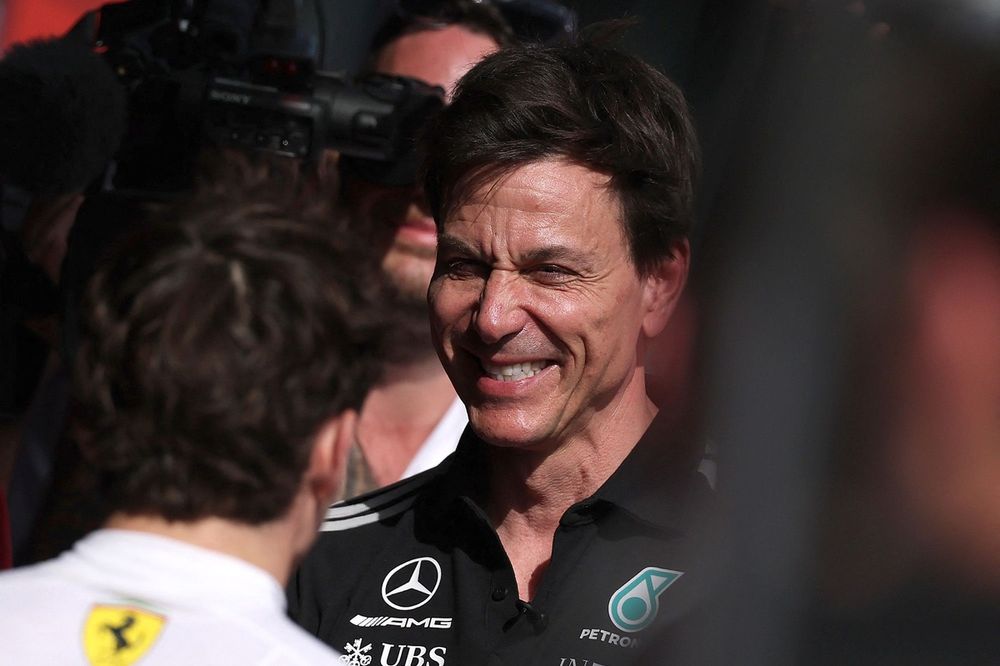
The admission is notable for two reasons. The first is that it makes public something the paddock has been quietly speculating about for weeks — that the 2026 power units, with their aggressive 50:50 split between combustion and electrical power, are being managed almost entirely by software. When that software does what it is meant to, it is invisible. When it does not, it turns into exactly what happened to Russell at Suzuka: a car slowing down in a place a driver would never choose to slow down.
The second reason the quote matters is that it comes from a team that has otherwise looked untouchable through the opening three races of the 2026 season. Mercedes had arrived at Suzuka on the back of wins in Melbourne and China, with Antonelli already being spoken of as the championship favourite at 19 years old. Piastri, Leclerc and the rest of the field have been chasing a car that, in clean air, has been comfortably the fastest on the grid. The idea that the team capable of running away from the pack is simultaneously capable of writing itself a line of code that effectively cuts its own engine mid-lap is the kind of contradiction that keeps a championship interesting.
"Super clip" is the phrase that will travel. In F1's 2026 regulations, "clipping" is the moment when the car simply runs out of deployable electrical energy and drops off the pace. It is the thing every team has been trying to avoid — and every driver has been publicly complaining about. Lando Norris said earlier this season that watching the engine note die on a straight "hurts your soul". For Mercedes to have inflicted a version of that on its own car, by accident, on a weekend where it was trying to gain an advantage, was not a comfortable conversation.
Wolff did not try to make it one. The Austrian — who has spent much of the last two seasons leaning into a more self-critical, engineer-facing public persona — simply owned the moment. "We haven't covered ourselves in glory," he repeated, a phrase closer to the language of a race engineer than a team principal.
For Russell, the consolation was that the car still had enough pace to recover — and that the narrative of the weekend was, ultimately, about Antonelli. The Italian, starting from his second consecutive pole position, converted into a victory that Wolff himself described as handed to him partly by "safety car timing". The team would rather be talking about that.
But Russell had already spent the weekend dealing with an unrelated setup issue in qualifying, where a "tiny" rear adjustment produced what he called a car that felt "like something simple was broken". Now, on top of that, he had lost a racing position to a bug the team had written itself.
Inside Brackley, the fix will be a routine software patch. Outside it, the admission is a reminder of something the 2026 regulations have made inescapable: the cars are no longer purely mechanical. They are programs, deployed at 300 km/h, and when the program misfires the driver is a passenger.
---